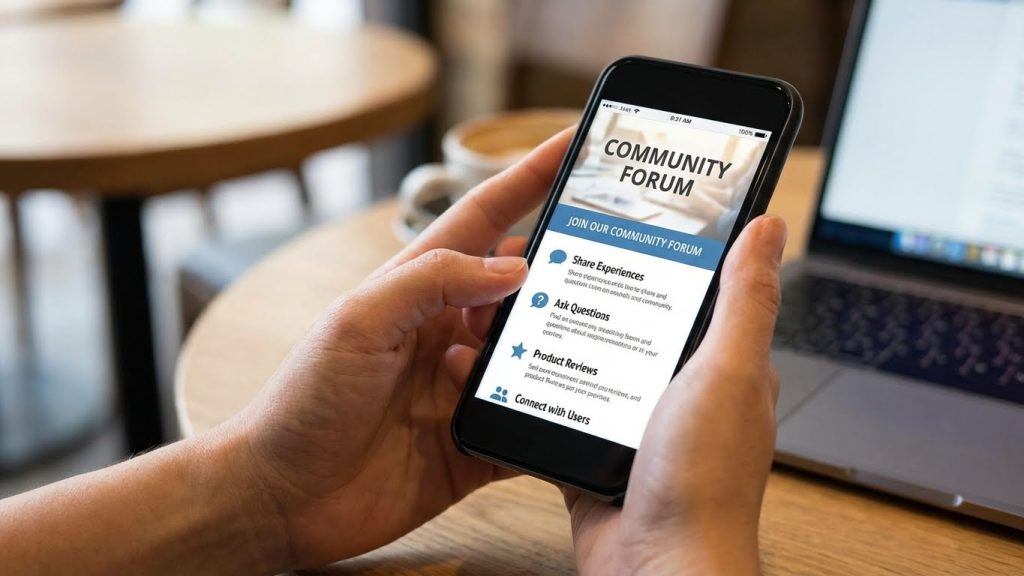
The internet has become a central hub for learning, shopping, and connecting. As a result, certain keywords like “fake ID reviews” have gained traction in search trends. While the phrase may initially appear controversial, it offers a valuable chance to explore consumer protection, online forum safety, and digital literacy in a fully legal context.
This article examines the topic of fake ID reviews, emphasizing safe browsing practices, evaluating online reviews, and making informed decisions in digital communities. By approaching this keyword responsibly, users can understand online trends without engaging in illegal or unsafe behavior.
Understanding the Keyword ‘Fake ID Reviews’
People often search for “fake ID reviews” for multiple reasons, including:
- Exploring discussions on forums and online communities
- Understanding popular online trends and slang
- Reading user experiences and feedback
- Learning about safe ways to verify digital information
It is important to note that while the keyword mentions “fake ID,” using it for research, awareness, or educational purposes is entirely safe and legal. The goal is to help users navigate the digital environment responsibly.
The Risks of Unverified Online Content
Searching for trending keywords can sometimes expose users to misleading or unsafe content. Risks include:
- Fraudulent websites that mislead visitors
- Malware or phishing attempts from unsafe links
- Inaccurate or biased information
- Potential exposure to illegal or unethical services
Being aware of these risks allows users to stay protected while exploring online discussions safely.
How to Safely Navigate Online Reviews
Online reviews can provide valuable insights when approached with caution. To navigate platforms that discuss sensitive keywords like “fake ID reviews,” users should:
1. Choose Reputable Platforms
Use websites and forums with verified accounts, clear moderation policies, and HTTPS connections. Trusted platforms are more likely to provide accurate and safe content.
2. Analyze Review Details
Legitimate reviews usually include specifics about experiences, timelines, and context. Avoid reviews that seem generic, exaggerated, or inconsistent.
3. Cross-Reference Information
Check multiple sources to confirm accuracy. Cross-referencing helps distinguish between reliable content and misleading statements.
4. Protect Your Personal Data
Avoid providing personal information on unverified platforms. Keeping sensitive data private is a crucial step in online safety.
By following these practices, users can benefit from online reviews while minimizing exposure to potential risks.
The Importance of Digital Literacy
Keywords like “fake ID reviews” highlight the need for digital literacy. Users should learn to:
- Critically evaluate online information
- Recognize credible sources and forums
- Avoid misinformation and misleading content
- Protect their identity and personal information online
Digital literacy empowers users to navigate the internet confidently, making safe and informed decisions.
How Forums Can Encourage Safe User Experiences
Forums like idtop.ph are valuable spaces for discussions and information sharing. To ensure safety, online communities can:
- Implement moderation to remove unsafe or misleading content
- Verify users and contributors to maintain authenticity
- Provide educational materials about safe browsing and online ethics
- Encourage discussions that focus on learning, awareness, and safe digital practices
Platforms that prioritize these measures create a safer environment for users exploring online trends.
Educational Value of Exploring Trending Keywords
Even sensitive keywords can serve an educational purpose. By analyzing terms like “fake ID reviews” safely, users can:
- Understand why certain terms trend online
- Learn about online safety and responsible internet use
- Recognize how misinformation spreads
- Develop skills to evaluate digital content critically
This approach transforms potentially risky curiosity into a learning opportunity for safer internet navigation.
Conclusion
The keyword “fake ID reviews” demonstrates the importance of digital literacy, online safety, and responsible engagement with forums and review platforms. By approaching this topic cautiously, users can explore online discussions, understand consumer trends, and learn about safe browsing without engaging in illegal activity.
In today’s digital landscape, staying informed, verifying sources, and practicing responsible behavior are essential for navigating online platforms safely. Educational approaches to trending keywords empower users to engage with content critically and protect themselves from potential risks.
